The Indian Ocean Humpback Dolphin Conservation Network (HuDoNet) has released its first Network Action Plan, a collaboratively developed framework to guide coordinated research, policy engagement and conservation action for the Endangered Indian Ocean humpback dolphin (Sousa plumbea) across its range.
The Indian Ocean humpback dolphin inhabits shallow coastal waters in the western and northern Indian Ocean, occurring along the coasts of 23 range states from southern Africa to southern Asia, including parts of the Arabian Sea region. Populations are typically small and fragmented and are closely associated with intensively used coastal habitats, making the species particularly vulnerable to fisheries bycatch, habitat degradation, pollution and other human pressures that also impact whales in the Arabian Sea, most notably Arabian Sea humpback whales which are also considered Endangered on the IUCN Red List of Threatened Species. While research and conservation initiatives for Indian Ocean humpback dolphins exist in parts of the range, effort and capacity remain uneven and large areas are still data-poor.
HuDoNet was established in 2023 to help address these challenges by connecting researchers and conservation practitioners working on humpback dolphins across the species’ range. The network currently includes nearly 100 members from 18 countries, including several researchers and practitioners also engaged in the Arabian Sea Whale Network (ASWN), reflecting the overlap in geography, threats and conservation objectives across the region.
The Network Action Plan was developed through a structured planning process adapted from the IUCN Conservation Planning Specialist Group framework. Five thematic working groups — Biological Research; Threats and Solutions; People; Policy; and Network Success — convened a series of online meetings between August 2024 and October 2025 to collate existing knowledge, identify priority gaps and opportunities, and agree on feasible, near-term actions.
Rather than attempting to produce a comprehensive species action plan at this early stage, HuDoNet focused on identifying a limited set of achievable, short- to medium-term actions that could be advanced through collaboration within the existing network. The result is a set of thirteen Priority Actions designed to strengthen the evidence base, support practical threat mitigation, enhance community engagement, leverage existing policy mechanisms, and build the organizational foundations needed for longer-term conservation planning.
The Priority Actions include initiatives to expand basic knowledge of humpback dolphin distribution and abundance in data-poor regions, facilitate the analysis and publication of existing datasets, and coordinate multi-site studies on key threats such as chemical pollution and fisheries bycatch — issues that are also of concern for multiple cetacean species in the Arabian Sea. Other actions focus on mapping spatial protection measures across the species’ range and improving the consideration of humpback dolphins in Environmental Impact Assessments, offering opportunities for alignment with broader regional conservation efforts.
Recognizing the importance of social and governance dimensions, the Action Plan also includes actions aimed at strengthening access to behaviour-change resources, testing approaches to education and awareness, and improving communication and collaboration both within the network and with external partners.
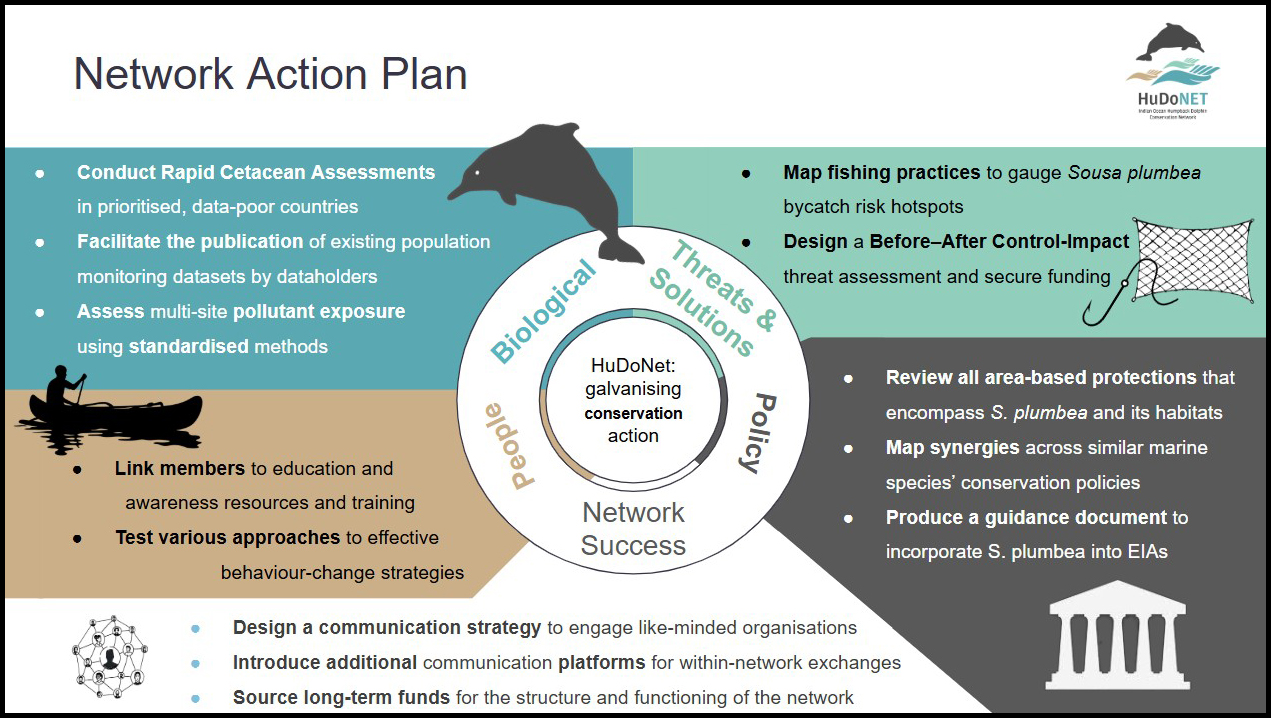
Figure 1. HuDoNet’s Priority Actions within five Working Group.
By focusing on coordination, knowledge sharing and targeted action, HuDoNet aims to reduce duplication, amplify existing efforts and support more consistent consideration of humpback dolphins in research agendas and management decisions across their range. The Network Action Plan is intended to be a living document that will guide HuDoNet’s activities over the next few years and support closer collaboration with regional initiatives such as the Arabian Sea Whale Network, where shared challenges and complementary mandates create strong opportunities for synergy.
The full HuDoNet Network Action Plan is available at HuDoNet’s Action Plan.
—
For more information, contact:
Dr Shanan Atkins
HuDoNET coordinator
iohudonet@gmail.com
+27825763107
www.HuDoNet.org


